By Tatum Heath
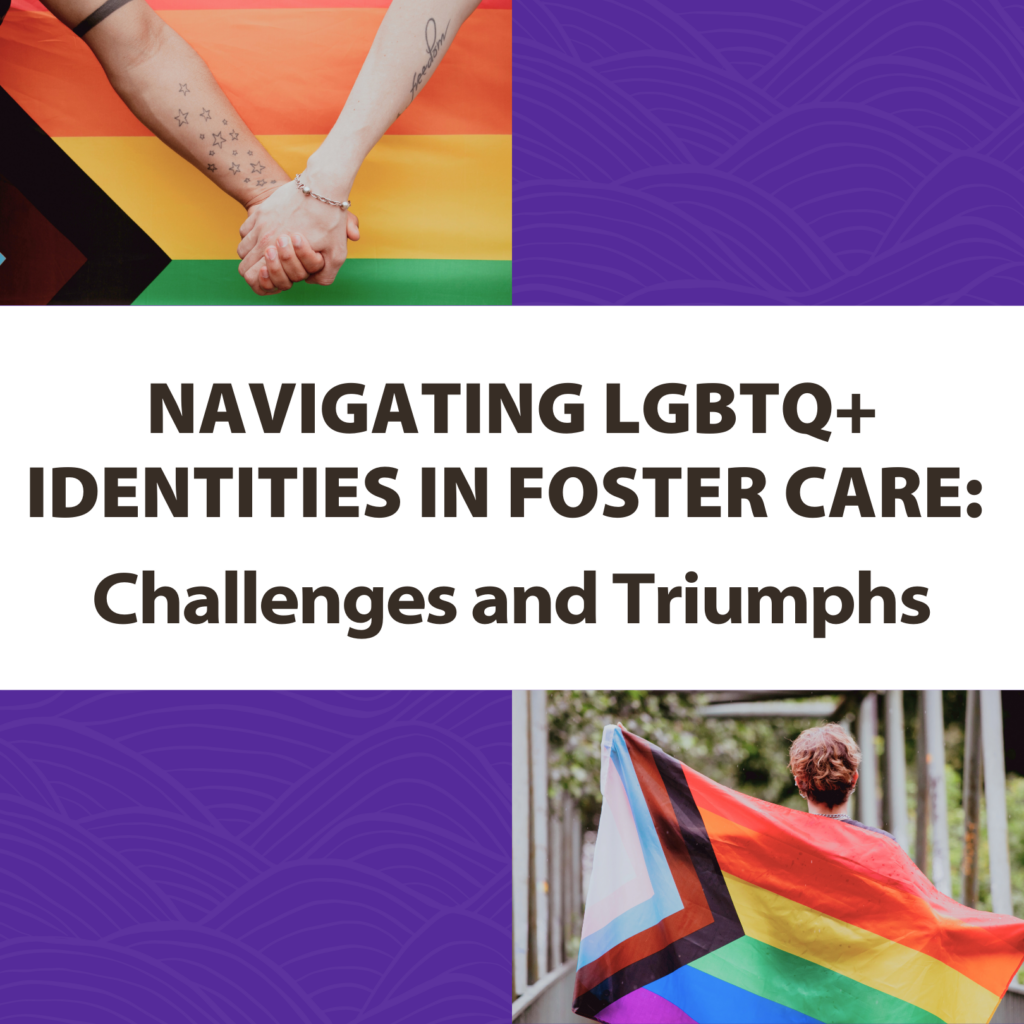
Foster care systems are intended to provide safety and support for children and adolescents who cannot live with their biological families. However, for LGBTQ+ youth, this journey through foster care can often be fraught with unique challenges and hurdles. In this blog, we explore the experiences faced by LGBTQ+ individuals within the foster care system, shedding light on both the difficulties and the resilience that characterize their journeys.
Understanding the Challenges
For many LGBTQ+ youth entering foster care, the initial hurdle lies in finding a supportive environment that respects and acknowledges their sexual orientation or gender identity. Unfortunately, not all foster homes or group settings are equipped to handle the nuanced needs of LGBTQ+ individuals. Instances of discrimination, rejection, or even ignorance about LGBTQ+ identities are not uncommon, which can lead to feelings of isolation and vulnerability.
- Lack of Understanding and Support
One of the primary challenges faced by LGBTQ+ youth in foster care is the lack of understanding from foster parents or caregivers. Many may not be familiar with LGBTQ+ issues or may hold biases that affect their ability to provide a nurturing environment. This lack of support can manifest in various ways, from subtle forms of neglect to outright hostility.
- Identity Suppression
In some cases, LGBTQ+ youth may feel pressured to suppress their identities to avoid conflict or mistreatment. This suppression can have serious consequences on their mental health and self-esteem, as they may feel forced to hide their true selves to fit into their foster environment.
- Higher Risk of Homelessness
Studies have shown that LGBTQ+ youth are disproportionately represented among homeless youth populations. Some of these youth end up homeless after leaving foster care due to unsupportive environments or lack of acceptance. This highlights a critical gap in the foster care system’s ability to provide adequate support and resources for LGBTQ+ individuals.
Finding Resilience and Community
Despite these challenges, many LGBTQ+ youth in foster care demonstrate remarkable resilience and find sources of support that help them navigate their unique journeys.
- LGBTQ+ Support Organizations
Several organizations and advocacy groups specialize in supporting LGBTQ+ individuals within the foster care system. These organizations offer resources, mentorship, and advocacy to ensure that LGBTQ+ youth have access to affirming environments and supportive networks.
- Foster Families and Caregivers
While challenges exist, there are also foster families and caregivers who actively work to create inclusive and affirming environments for LGBTQ+ youth. These individuals play a crucial role in providing stability and acceptance, thereby empowering LGBTQ+ youth to embrace their identities and thrive.
- Self-Discovery and Empowerment
For many LGBTQ+ youth, foster care can be a period of self-discovery and empowerment. Despite the hardships, navigating through diverse experiences and overcoming obstacles can foster resilience, self-reliance, and a strong sense of identity.
Moving Towards Inclusivity and Support
Improving the experiences of LGBTQ+ youth in foster care requires a concerted effort from policymakers, social workers, foster families, and communities at large. Here are some steps that can be taken to create a more inclusive foster care system:
- Training and Education: Providing training on LGBTQ+ issues for foster parents and caregivers to increase awareness and sensitivity.
- Policy Reform: Implementing policies that explicitly protect LGBTQ+ youth from discrimination and ensure their rights within the foster care system.
- Support Networks: Expanding support networks and resources specifically tailored to LGBTQ+ youth in foster care, including access to mental health services and affirming community spaces.
Conclusion
The journey of LGBTQ+ youth through the foster care system is marked by both adversity and resilience. By understanding their unique challenges and advocating for inclusive policies and practices, we can create a foster care system that provides safety, support, and acceptance for all young individuals, regardless of their sexual orientation or gender identity. Together, we can work towards a future where every LGBTQ+ youth in foster care feels valued, respected, and empowered to live authentically.