
Help amplify this story!
2026 Legislative Wins for Foster Youth:
Progress, Partnerships, and What’s Next
By: Andrew Alvey, Policy & Advocacy Analyst
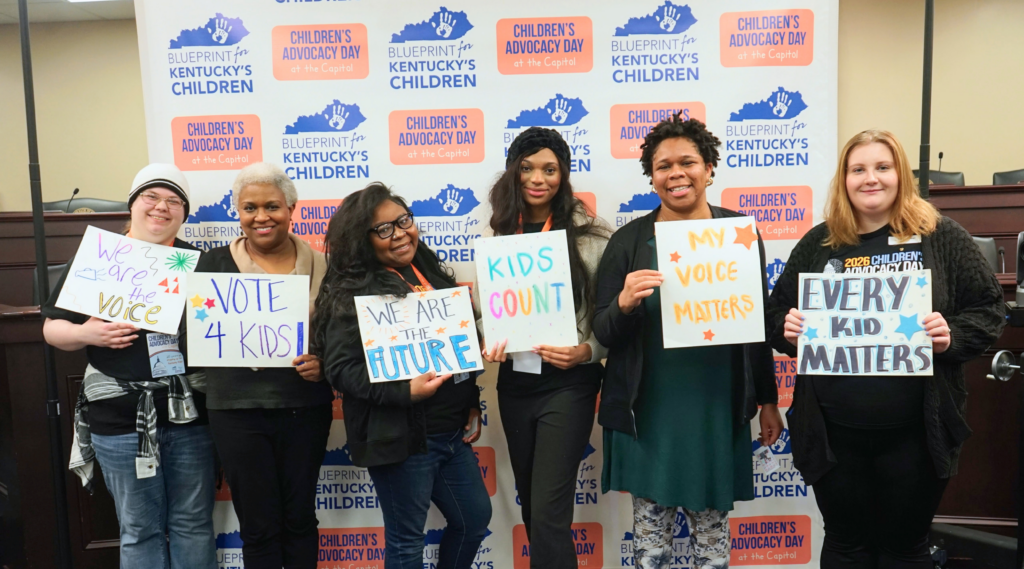
The 2026 legislative session brought progress in addressing challenges faced by children and youth in foster care. Lawmakers made targeted investments to support kinship and foster families and advanced policies to strengthen safety, stability, and long-term outcomes. Throughout the session, legislators heard and responded to the voices of lived experts, including members of the True Up Peer Network, particularly during this year’s Children’s Advocacy Day.
A Major Step Forward for Youth Identification
Our advocacy for foster youth identification has sparked new collaboration within state government. While the specific budget line item to ensure every youth in foster care receives state-issued IDs upon entering care was not included this cycle, the movement we built has achieved something that is already moving forward: Operation ID.
The Transitional Services Branch of the Department for Community Based Services launched this initiative to ensure youth have a state-issued ID before aging out of care and is working with the Kentucky Transportation Cabinet on implementation. This is a significant win for foster youth. By elevating IDs as critical safety tools essential for preventing trafficking and removing barriers to housing and employment, our collective advocacy led to a systemic shift in how the state prioritizes these life-changing documents.
Wins Within the Budget
The final budget included targeted investments to support children and youth in foster care, particularly those placed with kinship caregivers. The legislature appropriated $6 million each fiscal year to support relative and fictive kin caregivers and to implement SB 151 (2024), helping ensure that kinship families have the time needed to make informed decisions about the custody status and the supports they need to maintain the placement.
The legislature also appropriated $22 million each fiscal year to maintain support for out-of-home care, enhance specialized services for children with exceptional needs, and strengthen efforts to identify and secure appropriate placements. Additionally, the budget included language, championed by Senator Cassie Chambers Armstrong, directing state agencies to explore ways to increase enrollment in Dolly Parton’s Imagination Library, particularly for children from low-income households and youth in foster care.
Policy Wins
In addition to the above budget investments, two important policies were enacted to strengthen protections and supports for children and youth in foster care:
House Bill 669, sponsored by Speaker Pro Tem David Meade, ensures that a child’s earned federal benefits, such as Social Security survivor benefits, are preserved for the youth rather than used to reimburse the state. It requires the Cabinet for Health and Family Services to determine eligibility, apply for benefits, conserve funds in approved accounts, and release them when the youth exits care. The bill also establishes a program allowing youth to access portions of the funds after reaching key milestones toward financial independence.
House Bill 778, sponsored by Representative Nick Wilson, strengthens placement quality and safety for children in foster care by reinforcing that placements must meet youth’s individual needs and prioritize the least restrictive, most family-like setting, while improving placement coordination and the recruitment of foster homes to better meet unmet needs. It also strengthens safety protections by barring placement in homes where a registered sex offender resides. For older youth, the bill extends eligibility to re-commit to the Cabinet from age 20 to 20.5 and expands eligibility and access to re-enter care, ensuring continued access to transitional living supports. It also includes broader child safety provisions related to abuse and neglect investigations, information sharing, and training to prevent pediatric ingestions.
Call to Action
While the legislative session is officially over, the interim period before the 2027 session is a critical time for advocates across the Commonwealth to make their voices heard. As a reminder, next year is a non-budget session meaning it will be shorter at just 30 working days rather than 60, making early engagement with legislators even more important.
There are several ways you can stay engaged and help advance policies that support children and youth in foster care, you can:
- Use the Legislator Lookup tool to contact your elected officials and share why policies that strengthen the child welfare system matter to you.
- Visit kyyouth.org/advocacy for tips, tools and resources to support your advocacy efforts.
- Follow True Up on social media, our blog, and through our newsletters to stay informed.